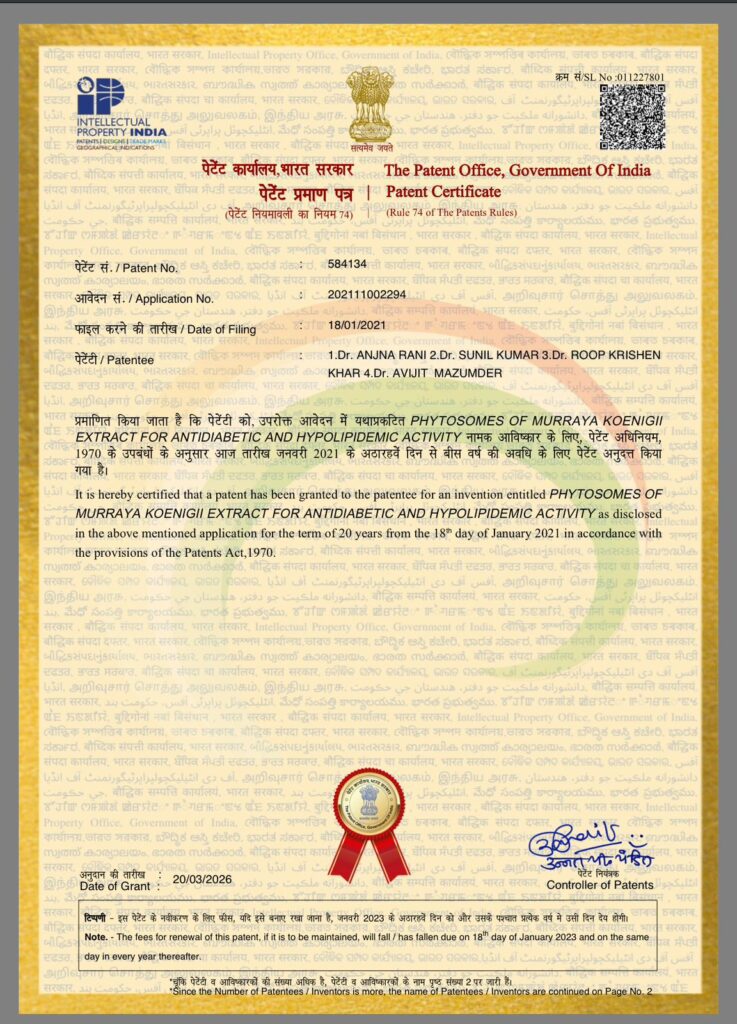
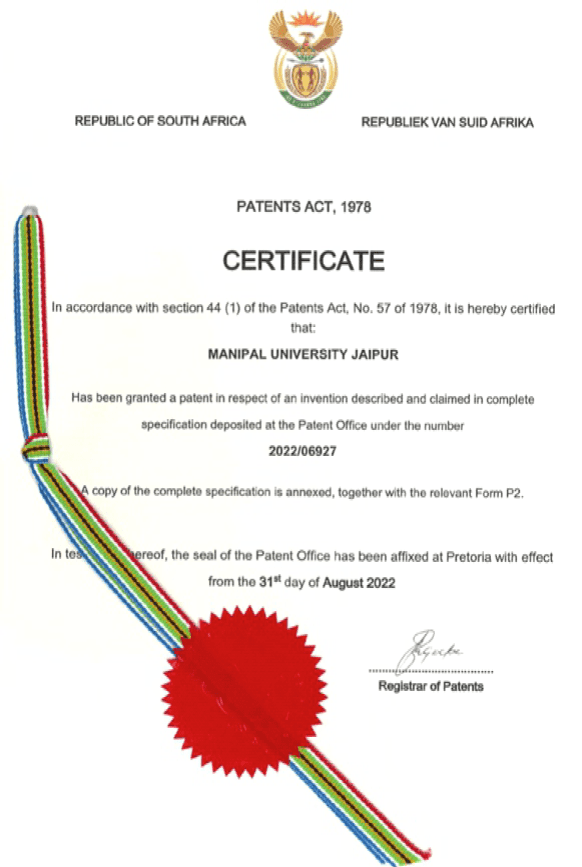
In today’s competitive market, innovation is not limited to technological advancements alone. The look and feel of a product—its shape, pattern, configuration, or ornamentation—significantly influences consumer perception and purchasing decisions. This is where design protection becomes crucial. Safeguarding your unique designs ensures you not only protect your creative efforts but also strengthen your brand’s market position.
In this blog, we at Lexgin break down the key steps to secure design protection, covering the entire journey from search to registration, and the legal strategies needed to defend your rights effectively.
1. Conducting a Design Search
Before filing for protection, it’s essential to establish that your design is both novel and original:
Database Check: Search national and international design registries to see if similar designs already exist.
Prior Art Review: Go beyond official registries and check trade journals, product catalogs, and online marketplaces.
Professional Assistance: Engaging with an IP attorney or specialized firms can ensure accuracy and reduce the risk of rejection later.
A comprehensive search helps minimize disputes by ensuring your design stands out as legally protectable.
2. Filing for Design Registration
Once confident about the originality of your design, the next step is securing formaldesign protection through registration:
Prepare Application: Include detailed representations (drawings, photos, or graphic images) of the design in multiple views.
Choose Correct Class: Designs are categorized into different classes depending on the product category. Defining the right class ensures proper protection.
File with Authority: Submit your application to the appropriate national IP office (such as the Indian Patent Office, EUIPO, or USPTO) or consider international filings under systems like the Hague Agreement.
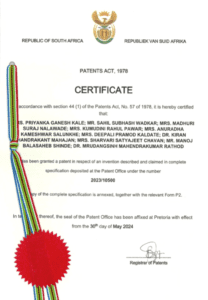
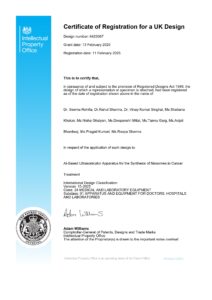
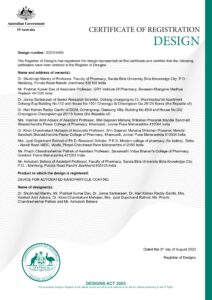
Examination Process: Authorities review the application for compliance, novelty, and distinctiveness. If accepted, the design gets registered and published.
Registrations typically provide exclusive rights for a set duration (e.g., 10–15 years, renewable depending on jurisdiction).
3. Legal Strategies for Design Protection
Securing registration is only the beginning. Businesses often overlook the enforcement aspect of design rights. Some proactive strategies include:
Monitoring Market Activity: Regularly track competitors and marketplaces to identify potential imitation or unauthorized use of your design.
Cease and Desist Actions: Issue formal notices to stop infringing activities. Early intervention can often resolve disputes without litigation.
Customs & Border Measures: Register designs with customs authorities to prevent cross-border counterfeit imports.
Defensive Strategy: Where full protection may not be possible, consider contractual safeguards (such as NDAs with manufacturers) and hybrid IP strategies (combining trademarks, copyrights, or patents with design rights).
Litigation & Enforcement: When needed, assert your rights through legal proceedings, ensuring your market share and reputation remain protected.
4. Practical Business Tips
Integrate Design Protection Early: Incorporate IP considerations right at the product development stage to avoid costly reworks.
International Outlook: If your product is intended for global markets, consider parallel filings in key jurisdictions.
Build a Design Portfolio: Over time, a strong portfolio of registered designs adds intangible business value and can attract investors or licensing opportunities.
Conclusion
Securing design protection is more than a legal formality—it’s a strategic business move. From a diligent design search, a well-prepared registration process to robust legal enforcement strategies, each step plays a critical role in protecting your creative identity and maintaining a competitive edge.
At Lexgin, we specialize in guiding innovators, entrepreneurs, and businesses through every stage of this process, ensuring their designs remain safe, recognized, and commercially successful.