Registered Design vs Unregistered Design – What’s the Risk?


In today’s hyper-competitive marketplace, design is no longer just about aesthetics — it’s a strategic business asset. Whether it’s the shape of a product, the pattern on a fabric, packaging design, or a unique user interface, design can be the single factor that differentiates your brand from competitors.
But here’s the real question:
Should you register your design, or rely on unregistered protection? And what’s the actual risk of not registering?
Let’s break it down.
What Is a Registered Design?
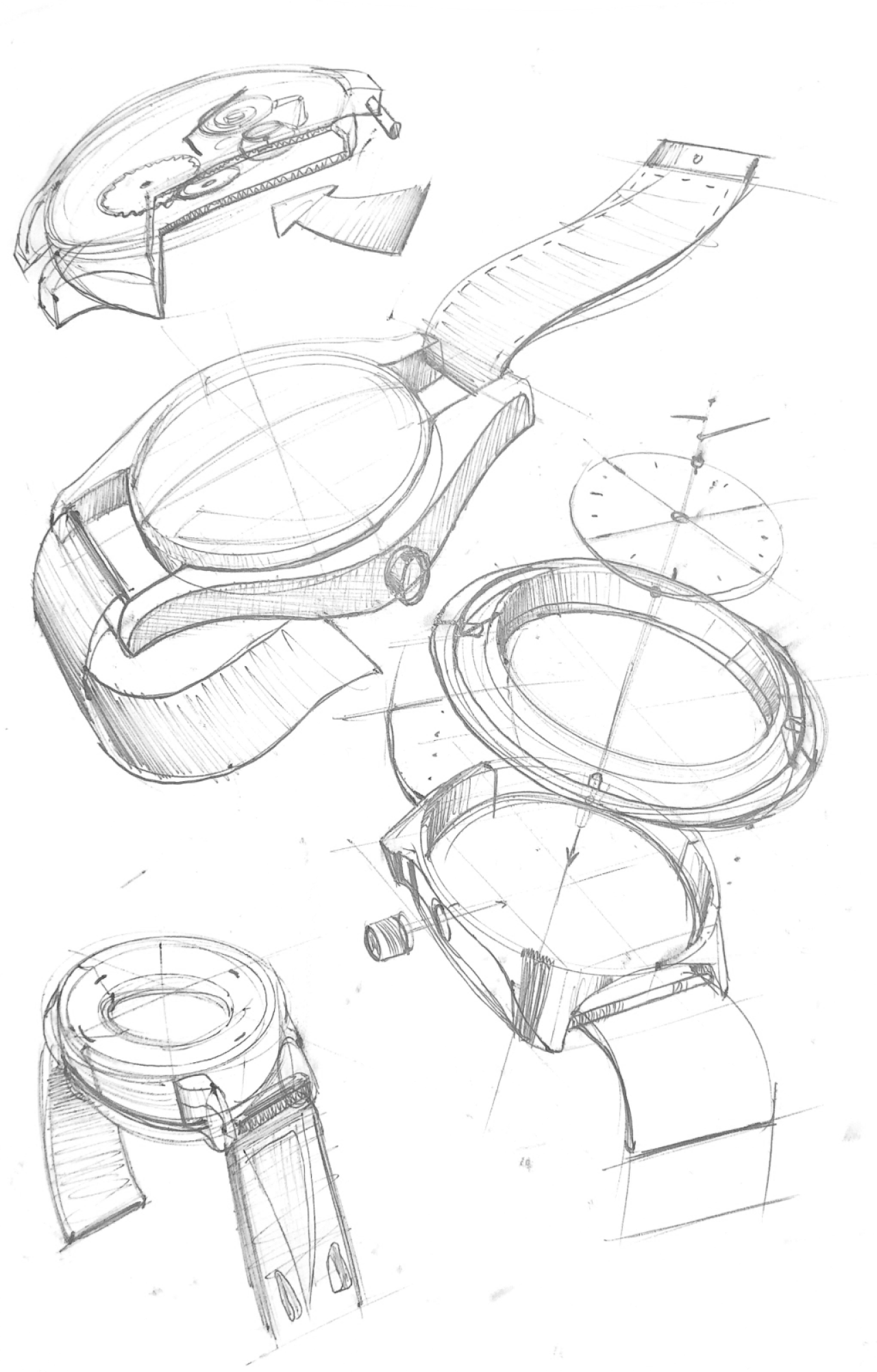

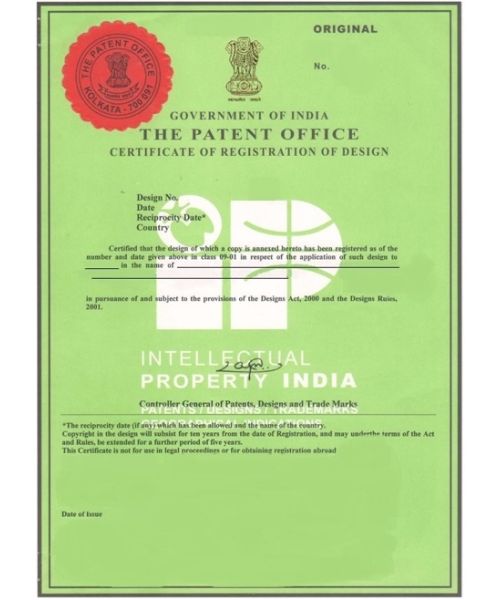
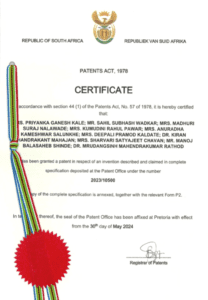
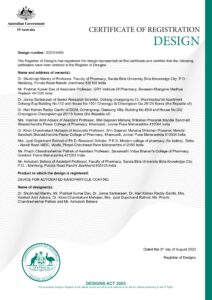
A registered design is a design that has been officially recorded with the relevant intellectual property authority (such as the Design Office under the Designs Act in India or similar authorities globally).
It protects the visual appearance of a product, including:
-
Shape
-
Configuration
-
Pattern
-
Ornamentation
-
Composition of lines or colors
Registration grants the owner exclusive legal rights to use that design for a specific period (in India, 10 years initially, extendable by 5 years).
In simple terms:
👉 You get documented proof of ownership.
👉 You get enforceable rights.
👉 You get stronger legal standing.
What Is an Unregistered Design?



An unregistered design is a design that hasn’t been formally filed or approved with the government.
You may still have some limited design protection under:
-
Copyright law (in certain circumstances)
-
Passing off claims
-
Trade dress (in some jurisdictions)
However, these protections are indirect, weaker, and harder to enforce compared to registered rights.
In short:
You might have rights — but proving them becomes a battle.
The Core Difference: Legal Strength
Let’s compare them clearly:
| Factor | Registered Design | Unregistered Design |
|---|---|---|
| Proof of Ownership | Official certificate | Must prove through evidence |
| Legal Enforcement | Strong & direct | Complex & expensive |
| Infringement Action | Easier | Harder |
| Business Asset Value | High | Limited |
| Investor Appeal | Strong | Weak |
The biggest risk?
With an unregistered design, you carry the burden of proof.
Major Risks of Not Registering Your Design
Now let’s talk about what really matters — the risks.
1. Someone Else Registers Your Design First
Yes, this happens.
If you publicly launch your product without filing, a competitor can:
-
Copy your design
-
Register it before you
-
Legally block you from using your own design
This is one of the most dangerous risks in fast-moving industries.
In many jurisdictions, design protection follows a first-to-file principle.
That means whoever files first wins.
2. Expensive Legal Disputes
With a registered design:
You show the certificate → file infringement case.
With an unregistered design:
You must prove:
-
Date of creation
-
Originality
-
Market reputation
-
Copying by the defendant
This involves:
-
Documentation
-
Witnesses
-
Market evidence
-
Sales proof
Which means: higher legal costs and longer disputes.
3. Limited Protection Against Copycats
If your product succeeds, competitors will copy it.
Without registration:
-
You cannot easily stop lookalikes
-
Market dilution begins
-
Your brand uniqueness fades
By the time you react, damage is already done.
4. Reduced Business Valuation
Design rights are intellectual property assets.
Registered designs:
-
Add value to company balance sheet
-
Strengthen licensing opportunities
-
Increase investor confidence
-
Improve acquisition potential
Unregistered designs?
They don’t offer the same commercial leverage.
Investors prefer documented IP.
5. Licensing Becomes Risky
If you plan to:
-
Franchise
-
License your product
-
Enter international markets
You’ll need clear IP ownership.
Without registration, licensing agreements become fragile and legally uncertain.
Real-World Scenario
Imagine you launch a uniquely shaped cosmetic bottle. It becomes popular.
Six months later:
-
A competitor releases a nearly identical bottle.
-
You send a legal notice.
-
They respond: “Prove it’s yours.”
If your design is registered, you simply attach the certificate.
If it’s unregistered, you enter a complex legal war.
That’s the risk.
When Is Unregistered Design Protection Enough?
There are limited cases where businesses may rely on unregistered protection:
-
Short lifecycle products
-
Experimental prototypes
-
Low-investment designs
-
Designs not central to brand identity
But even then, risk assessment is crucial.
If the design plays a strategic role in revenue, registration is strongly recommended.
Industries Where Registration Is Critical
Design registration is particularly important in:
-
Consumer goods
-
Fashion & accessories
-
Furniture
-
Electronics
-
Packaging
-
Automotive components
-
Home décor
If visual appeal drives buying decisions, registration matters.
Cost vs Risk: Is Registration Expensive?
Many businesses avoid registration assuming it is costly.
In reality, design registration is significantly cheaper than:
-
Patent filing
-
Trademark disputes
-
Court litigation
It’s a relatively low-cost step that prevents high-cost consequences.
Think of it as insurance for your creativity.
International Considerations
If you plan to expand globally, design registration becomes even more critical.
You may consider:
-
Filing in individual countries
-
Using international systems (like the Hague System in eligible jurisdictions)
Remember:
Design rights are territorial.
Protection in one country does not automatically protect you worldwide.
Strategic Approach for Businesses
Here’s a practical strategy:
-
Conduct novelty search
-
File design application before public launch
-
Maintain proper documentation
-
Monitor market for infringements
-
Enforce rights early
Early action prevents future headaches.
Final Thoughts: What’s the Real Risk?
The real risk of relying on unregistered design is uncertainty.
Uncertainty in:
-
Ownership
-
Enforcement
-
Commercial value
-
Investor confidence
Registered design gives you:
✔ Legal clarity
✔ Market exclusivity
✔ Stronger enforcement
✔ Business advantage
If your design adds commercial value, failing to register is not just a legal gap — it’s a strategic vulnerability.
In a world where imitation is easy and competition is fierce, protecting your design is no longer optional — it’s essential.
Related Posts: