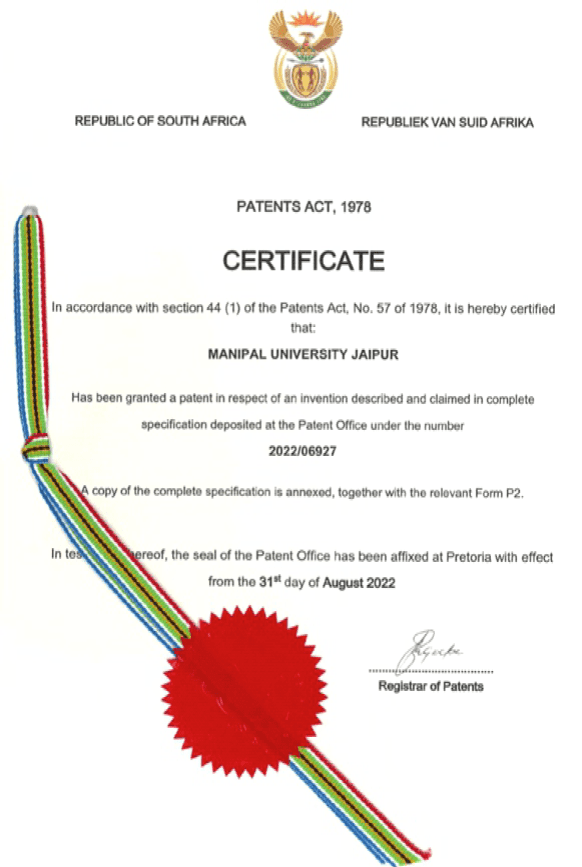
Patent Status Check: A Complete Guide to Tracking Your Patent Application


You’ve invested months — sometimes years — into developing an invention. You’ve filed the paperwork, paid the fees, and submitted your patent application. Now what? The waiting game begins. And for most inventors and businesses, that wait comes with an overwhelming question: Where does my patent stand right now?
This is where a patent status check becomes indispensable. Whether you’re an independent inventor, a startup founder, a legal professional, or a corporate IP team, knowing how to check the status of a patent — yours or someone else’s — is a fundamental skill in the world of intellectual property. This guide walks you through everything you need to know.
What Is a Patent Status Check?
A patent status check is the process of verifying the current standing of a patent application or granted patent with the relevant patent authority. It tells you whether an application is pending, under examination, opposed, granted, rejected, abandoned, or lapsed.
Status checks can be performed on:
- Your own applications — to track progress and respond to office actions in time
- Competitors’ patents — to monitor their IP portfolio and avoid infringement
- Third-party patents — to assess licensing opportunities or freedom-to-operate
In short, a patent status check is your window into the lifecycle of any patent, at any stage.
Why Is Checking Patent Status Important?
Tracking patent status is not just an administrative task — it has real strategic and legal consequences.
1. Meeting Deadlines
Patent offices send Office Actions — formal communications requesting clarifications, amendments, or responses. Missing the deadline to respond can result in your application being abandoned. Regular status checks ensure you never miss a critical deadline.
2. Avoiding Infringement
Before launching a product or entering a new market, businesses must verify that existing patents in that space are either expired, lapsed, or don’t cover their technology. A patent status check is a core part of any freedom-to-operate (FTO) analysis.
3. Competitive Intelligence
Monitoring the patent status of competitors gives you valuable insight into their R&D direction. If a rival’s patent lapses, that technology may enter the public domain — opening opportunities for your business.
4. Investment and Licensing Decisions
Investors, acquirers, and licensees all require up-to-date patent status information before entering agreements. A patent that appears granted may actually be under opposition or revocation proceedings — a detail that significantly changes its value.
How to Check Patent Status in India (IP India)
For applicants in India, the Intellectual Property India (IP India) portal is the official gateway for patent status checks.
Steps to check patent status on IP India:
- Visit the official portal: ipindia.gov.in
- Navigate to Patent → Patent Status
- Enter your Application Number or use the Applicant Name Search
- The system will display the current status along with the application history
Common statuses you may see include:
- Filed — Application received but not yet examined
- Under Examination — Assigned to an examiner
- FER Issued — First Examination Report sent; response required
- Put in Order for Grant — Application cleared for grant
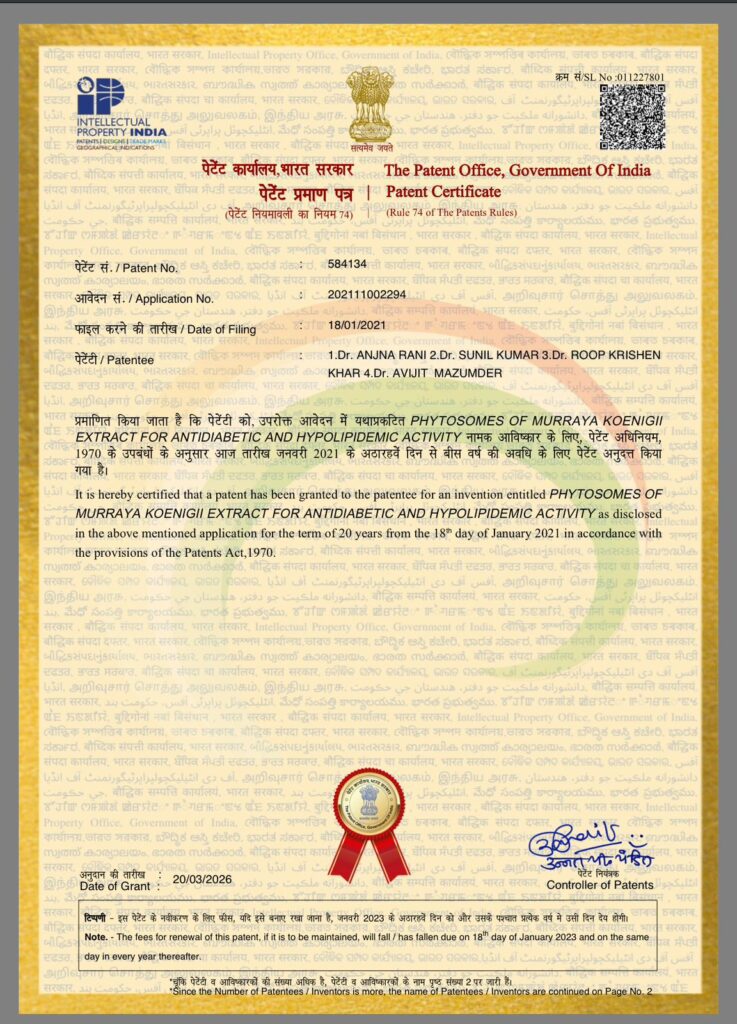
- Patent Granted — Patent officially issued
- Abandoned — Application lapsed due to non-response or withdrawal
- Refused — Application rejected after examination
How to Check Patent Status in the USA (USPTO)
In the United States, the United States Patent and Trademark Office (USPTO) provides two primary tools:
Patent Center / Public PAIR
The Patent Application Information Retrieval (PAIR) system allows applicants and the public to view the status of patent applications.
- Private PAIR — For applicants with a USPTO account; shows full file history
- Public PAIR — For anyone to check published applications
- Go to: patentcenter.uspto.gov
Google Patents
For a quick and user-friendly patent status check, Google Patents (patents.google.com) is an excellent free tool. It aggregates data from the USPTO, EPO, and dozens of other patent offices worldwide.
How to Check Patent Status Internationally (EPO and WIPO)
European Patent Office (EPO)
Use the esp@cenet database at worldwide.espacenet.com to check patent status across European countries and many global jurisdictions.
WIPO – PCT Applications
For international applications filed under the Patent Cooperation Treaty (PCT), use Indian Patent Search – Indian Patent Advanced Search System. This database covers PCT applications and national phase entries across 150+ countries.
What Information Do You Need for a Patent Status Check?
To perform an accurate status check, you’ll typically need one or more of the following:
- Application Number — The unique reference assigned at filing
- Publication Number — Assigned when the application is published (usually 18 months after filing)
- Patent Number — Assigned upon grant
- Applicant Name or Inventor Name — For search-based lookups
- Filing Date — Useful for narrowing search results
Having your application number is always the most reliable way to pull up an accurate and specific record.
Common Issues Found During a Patent Status Check
When checking patent status, applicants sometimes discover unexpected developments:
- Application marked abandoned due to a missed fee or unanswered Office Action
- Status not updated on the portal despite recent filings (a backend delay)
- Discrepancies in applicant name or inventor details that need formal correction
- Opposition filed by a third party against a granted patent
- Renewal fees overdue, putting a granted patent at risk of lapsing
Each of these issues has a remedy — but only if caught in time. This is precisely why periodic status checks are strongly recommended, not just a one-time activity.
How Often Should You Check Patent Status?
There’s no universal rule, but here are practical guidelines:
- During examination: Check every 2–4 weeks, as Office Actions can arrive without advance notice
- After responding to an Office Action: Check weekly until a decision is issued
- For granted patents: Check annually around renewal fee due dates
- For competitor monitoring: Set up alerts or check quarterly
Many IP management software tools and law firm platforms offer automated patent status monitoring with email alerts — highly recommended for large portfolios.
Tips for a Smooth Patent Status Check Experience
- Save your application number immediately upon filing — it’s your most important reference
- Use official portals rather than third-party aggregators for the most current data
- Check both the status and the transaction history — the history often reveals why a status changed
- Keep your contact details updated with the patent office so Office Actions reach you promptly
- Consult a patent attorney if you encounter a status you don’t understand or a deadline looming
Final Thoughts
A patent status check is a simple action with significant consequences. Whether you’re protecting your own innovation, conducting due diligence on a competitor, or preparing for licensing negotiations, staying on top of patent status is not optional — it’s essential.
The good news is that with official portals like IP India, USPTO Patent Center, WIPO PATENTSCOPE, and EPO’s esp@cenet, checking patent status has never been more accessible. The tools are free. The process is straightforward. The protection it offers your intellectual property is priceless.
Don’t let your most valuable asset go unmonitored. Make patent status checks a regular habit — because in the world of IP, what you don’t know can absolutely hurt you.