How to Transfer or Sell Your Intellectual Property Rights Legally


Intellectual Property (IP) is one of the most valuable assets a creator or business can own. Whether it’s a trademark, patent, copyright, or design, your IP represents your innovation, brand identity, and creative output. But there may come a time when transferring or selling these rights makes business sense—perhaps during a merger, startup acquisition, product sale, or franchise expansion. To ensure this transfer is legally sound and strategically beneficial, it’s essential to understand the legal pathways, documentation, and due diligence involved.
Understanding IP Transfer and Sale
Intellectual Property Rights (IPR) can be transferred primarily in two ways — assignment and licensing.
-
Assignment means the permanent transfer of ownership from one party to another. For instance, when an author assigns the copyright of a manuscript to a publishing house, the publisher becomes the new owner.
-
Licensing, on the other hand, allows the intellectual property owner (licensor) to permit another party (licensee) to use their IP while retaining ownership.
The choice between assignment and licensing depends on the business goal—whether you wish to give up ownership permanently or earn revenue through continued control and recurring royalties.
Legal Modes of IP Transfer
1. Assignment of Rights
An IP assignment involves transferring ownership of the intellectual property to the assignee. It must always be in writing and unambiguously specify the rights transferred, the duration, the territory, and the consideration involved. The transferor (assignor) must also ensure they are the true legal owner and that no third-party claims exist on the IP.
For example:
-
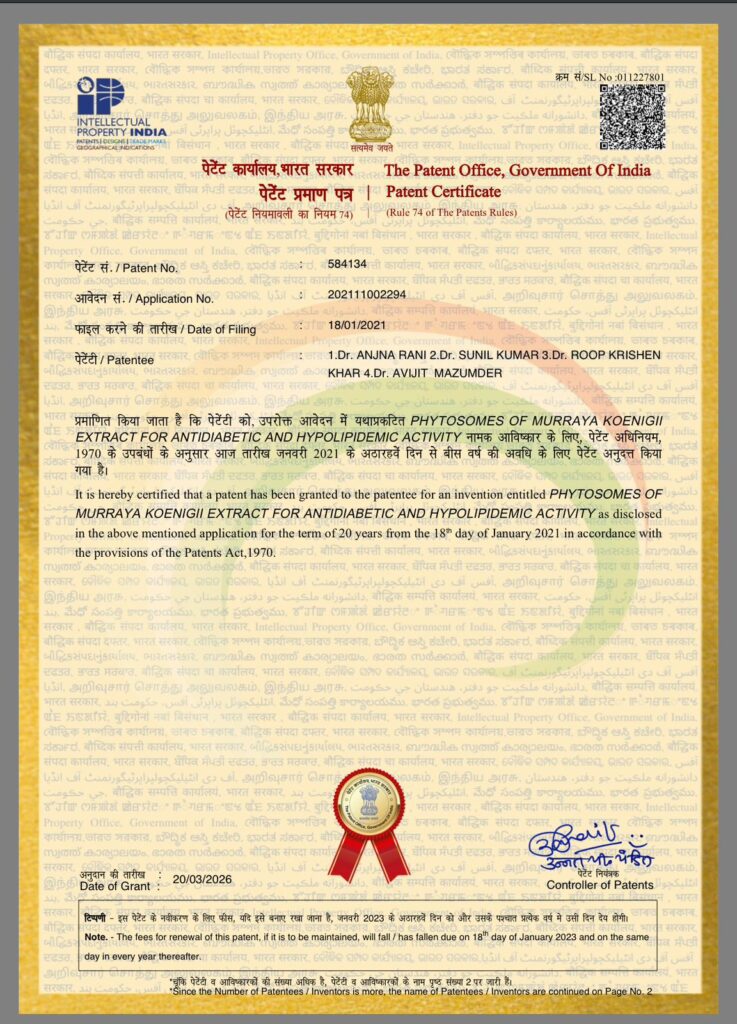
Patents: Governed by Section 68 of the Indian Patents Act. Transfers must be documented and registered.
-
Trademarks: Rule 75 under the Trade Marks Rules and Form TM-P govern trademark assignments.
-
Copyrights: Sections 18 and 19 of the Copyright Act specify that all assignments must be in writing, signed, and clearly outline the rights and duration.
2. Licensing Agreements
Licensing allows the IP owner to grant another party the right to use the IP without transferring ownership. Licenses can be:
-
Exclusive: Only the licensee has the right to use the IP.
-
Non-exclusive: Multiple licensees may use the IP.
-
Sole: Only one licensee and the licensor can use the IP.
Every licensing agreement should address the scope of rights, duration, territory, royalty structure, and termination clauses. This structure ensures clarity and minimizes misuse.
Step-by-Step Process for IP Transfer or Sale
Transferring or selling your IP is a multi-stage process governed by both statutory and procedural compliance. Below is a structured guide based on best practices :
-
Identify the IP Assets
Begin by listing all the intellectual property assets to be transferred—patents, trademarks, copyrights, or trade secrets. Ownership and registration details must be verified. -
Conduct IP Valuation
Hire a certified IP valuer to assess the market value of your IP, considering factors like profitability, market demand, and innovation potential. This step ensures fair consideration and supports tax compliance. -
Prepare the IP Transfer Agreement
The assignment deed or licensing agreement is the backbone of a legal transfer. It should clearly define:-
Parties involved (assignor and assignee)
-
Nature of rights being transferred
-
Territorial scope and validity period
-
Consideration (price or royalty terms)
-
Dispute resolution and governing law
-
-
Obtain Necessary Approvals
For cross-border IP transfers, approvals from the Reserve Bank of India (RBI) or compliance under the Foreign Exchange Management Act (FEMA) may be required. Additionally, certain regulated sectors like pharmaceuticals or defense may have specific disclosure obligations. -
Execute the Agreement
The agreement must be signed by both parties and witnessed (ideally by two independent witnesses). In some cases, notarization or stamp duty payment is also required depending on the jurisdiction. -
Register the Transfer with Relevant IP Authorities
Each form of IP has a specific registration process:-
Patents: File Form 16 under the Patent Rules.
-
Trademarks: Use Form TM-P for recordation of assignment.
-
Copyrights: File Form XIV for change of ownership.
Registration ensures the new owner is legally recognized.
-
-
Ensure Tax and Accounting Compliance
Update company books to reflect sale proceeds or acquired intangible assets. Compliance with transfer pricing and capital gains tax is critical for both domestic and international IP transactions. -
Maintain Documentation
Keep a comprehensive record of valuation reports, transfer agreements, invoices, and IP office correspondence for future audits or legal disputes. Proper documentation is vital for transparency and enforceability.
Key Legal Considerations
-
Due Diligence: Before selling or transferring, verify that the IP is not under litigation or encumbered by any third-party rights.
-
Jurisdiction and Territorial Scope: The transfer must specify where the new owner’s rights apply to avoid international infringements.
-
Moral Rights and Limitations: In copyright assignments, moral rights (like the right to be credited as the author) cannot be entirely waived in some jurisdictions.
-
Non-Disclosure and Non-Compete Clauses: These clauses protect both the buyer and seller from unauthorized use or future competition.
Common Mistakes to Avoid
-
Failing to put agreements in writing: Oral understandings hold no legal value in IP transfers.
-
Not specifying scope or territory: Vague language can lead to disputes.
-
Skipping registration: Without formal recordation, the transfer may not be enforceable.
-
Ignoring tax obligations: Unreported IP transfers can trigger significant penalties.
Why Legal Assistance Matters
Transferring or selling IP is not just a commercial deal—it’s a legal transaction involving precise documentation, valuation, and risk mitigation. Engaging a qualified IP attorney ensures that:
-
Your contracts comply with statutory requirements.
-
Royalties, ownership rights, and limitations are carefully drafted.
-
You stay compliant with both Indian and international IP laws.
Conclusion
Your intellectual property is as tangible as any physical asset—it can be bought, sold, or leveraged for financial gain, provided it’s handled properly. Whether you’re licensing your software, selling a patent portfolio, or transferring brand ownership, following due legal formalities ensures you maximize value while protecting your rights.
Partnering with expert IP lawyers like Lexgin can make the process seamless, ensuring your IP transfer or sale is compliant, transparent, and strategically beneficial for long-term success.